Designing a clearer path to mentorship for architecture students
Overview
An architecture student, late at night in the studio, stuck on a rendering, a model, or a tool they were expected to “already know.” They knew help existed - professors, TAs, seniors - but didn’t know who to approach, what to ask, or whether their question was worth asking at all.
Over time, this uncertainty didn’t just slow learning. It quietly discouraged students from seeking help.
This observation became the starting point for MentorMap.
My Role
This project was completed as part of my master’s thesis and focused on architecture students at a TJU university.
I led the project end-to-end - from research and problem framing to concept development, interaction design, usability testing, and early market validation. The work combined UX research, service design, and product thinking to reimagine how mentorship could work at scale
Timeline -December 2024- December 2025
How Big is the Problem
Research & Discovery
To understand the problem beyond assumptions, I began with conversations.
I conducted:
12 in-depth interviews with architecture students across different academic years at Thomas Jefferson University
1 stakeholder interview with a faculty mentor
PROBLEM STATEMENT
How Might we reduce poor peer mentor matches by making it easier for architecture students to see who can support them with the specific skills, tools, or guidance they need at each stage of their education
Ideation: Rethinking Mentorship
A key realization emerged:
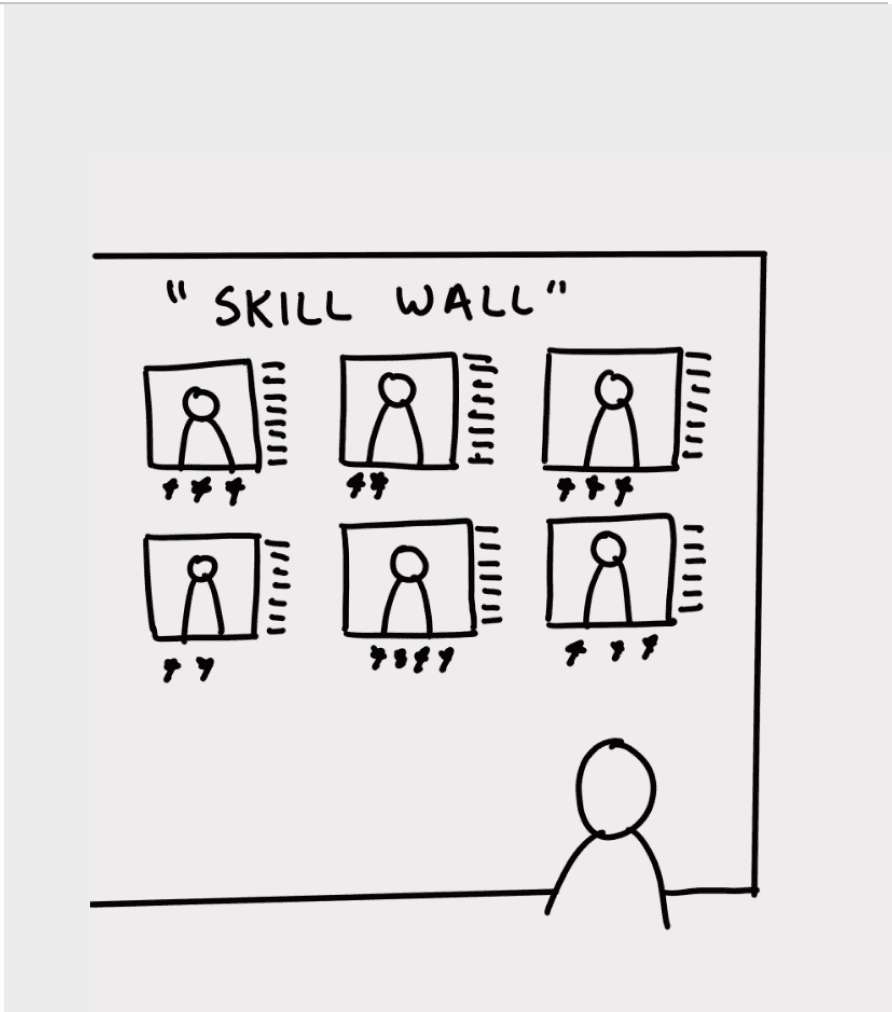
Mentorship didn’t need more complexity — it needed visibility in the places students already were.
This led to a hybrid idea:
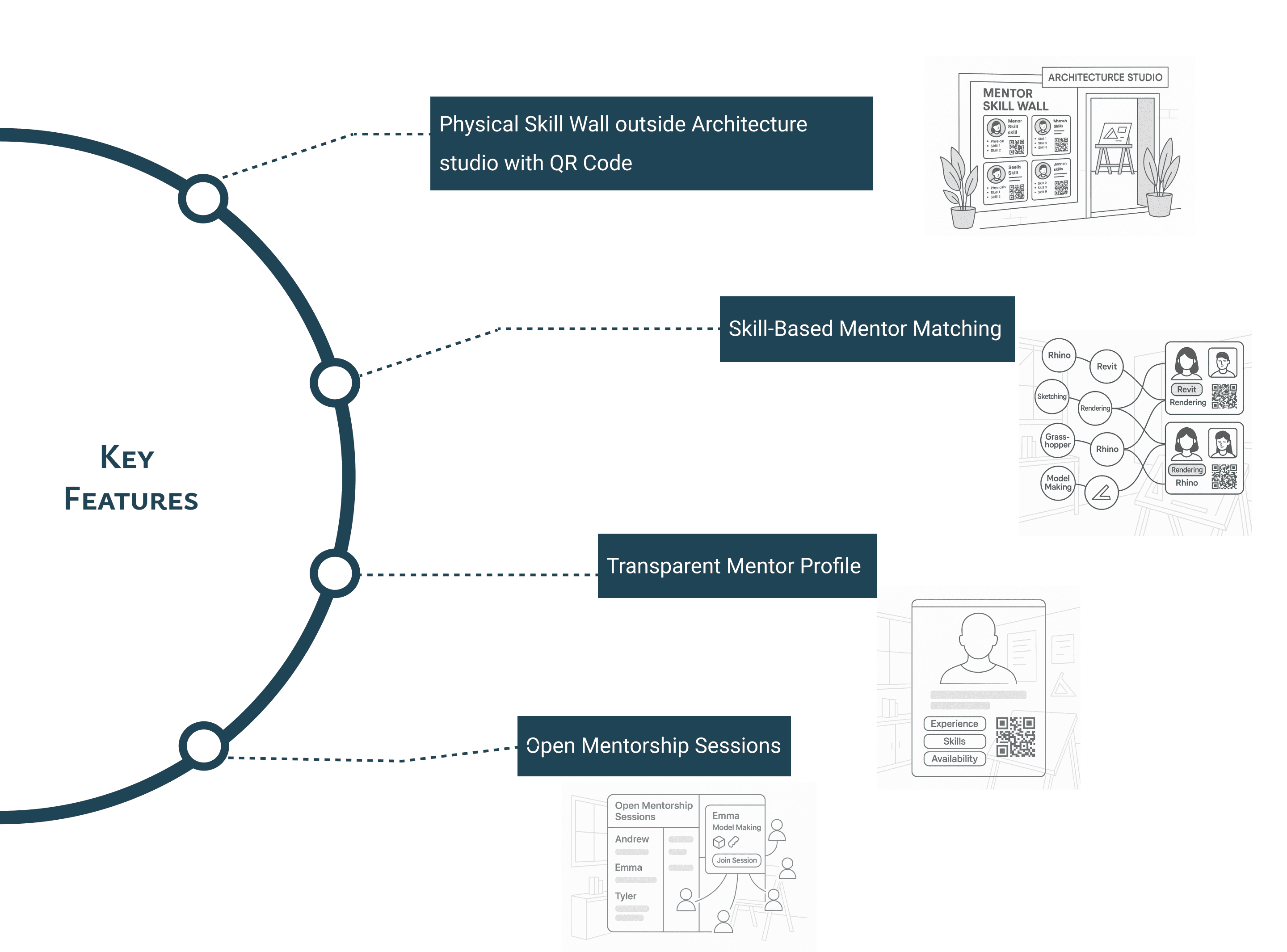
Physical touchpoints in architecture studios to surface mentor skills
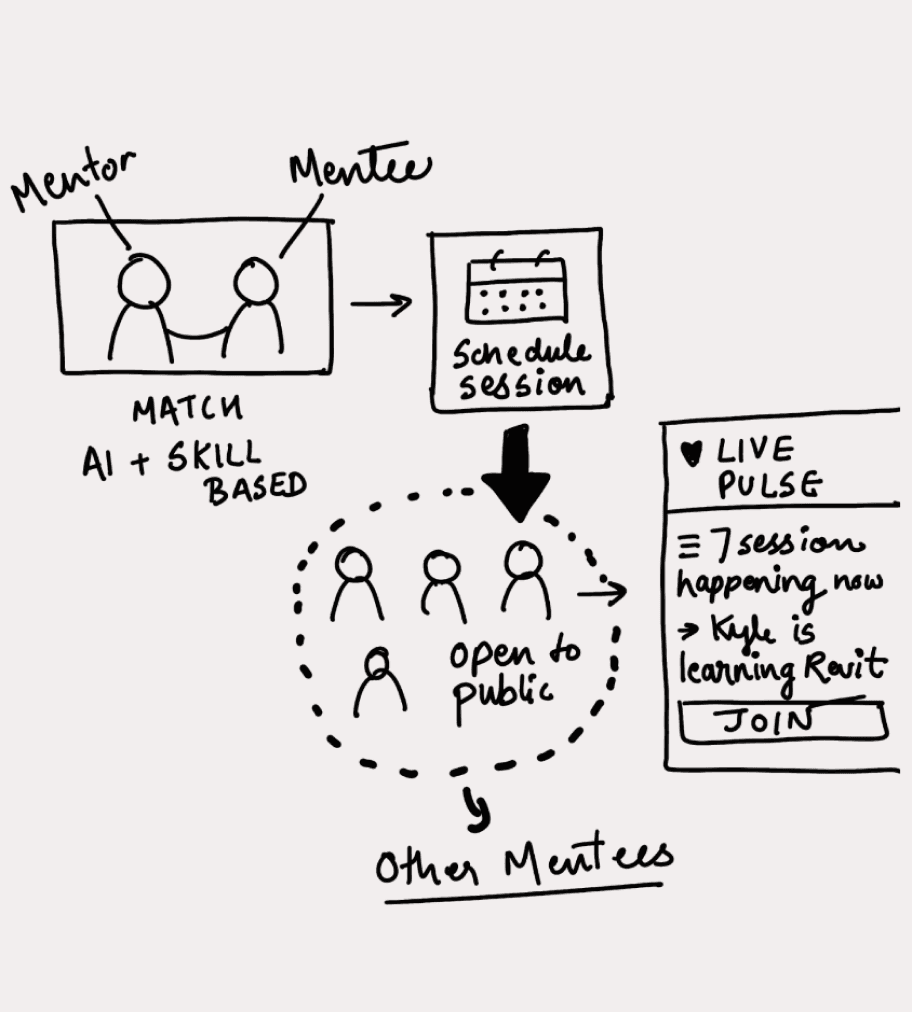
Digital layers to provide depth, context, and action
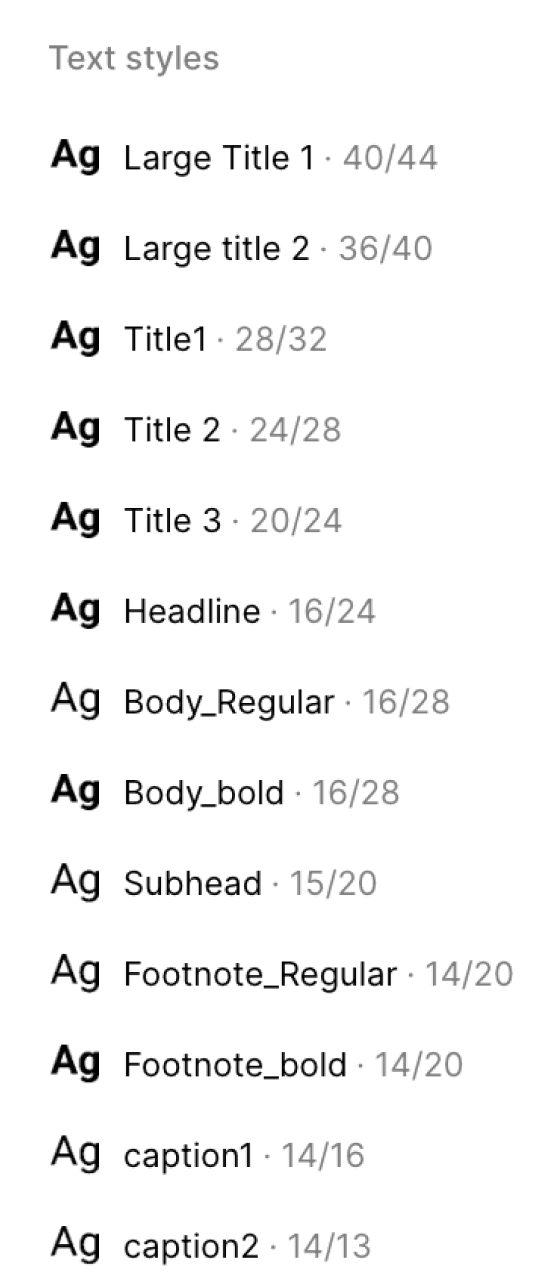
Designing the flow
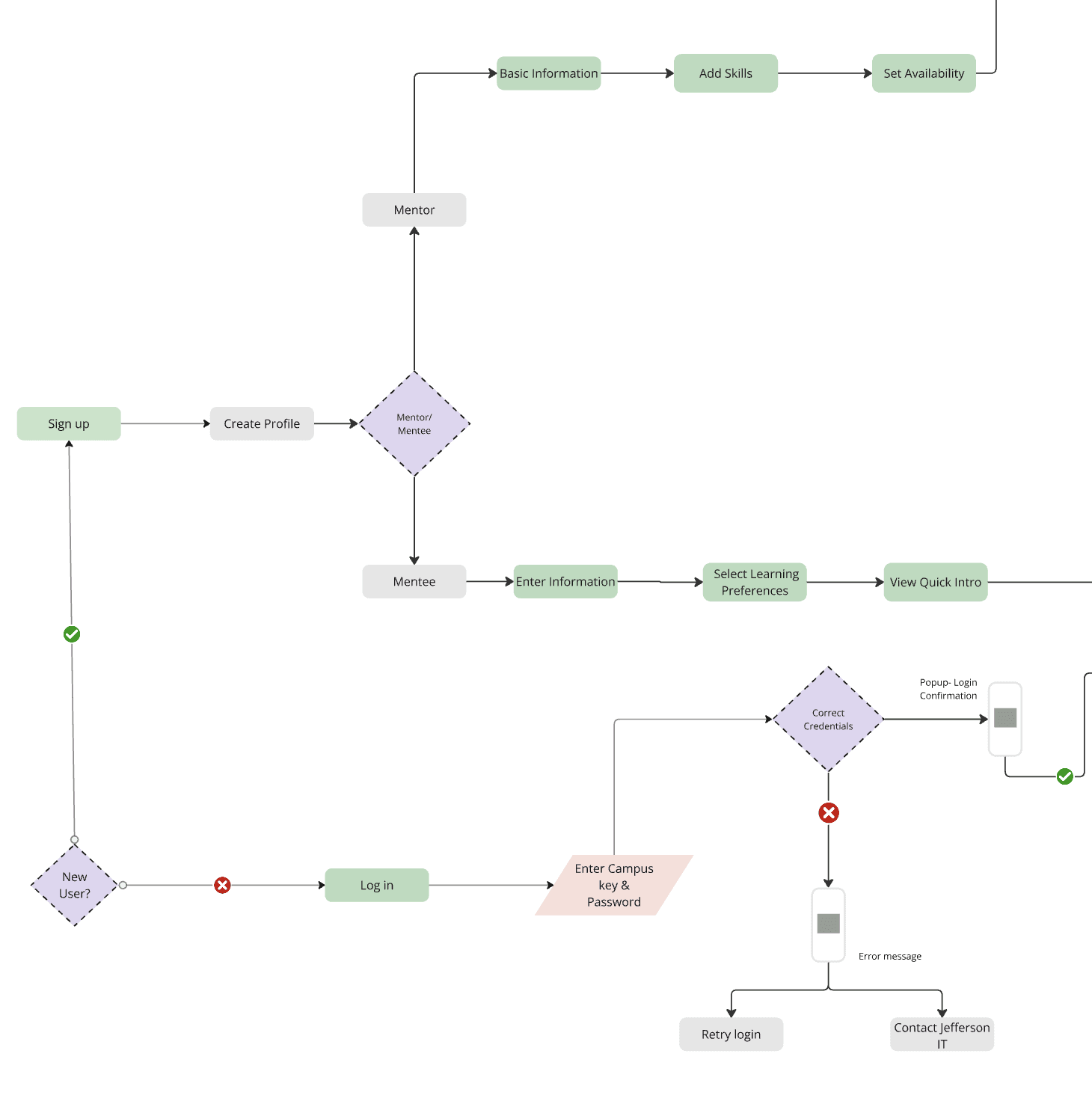
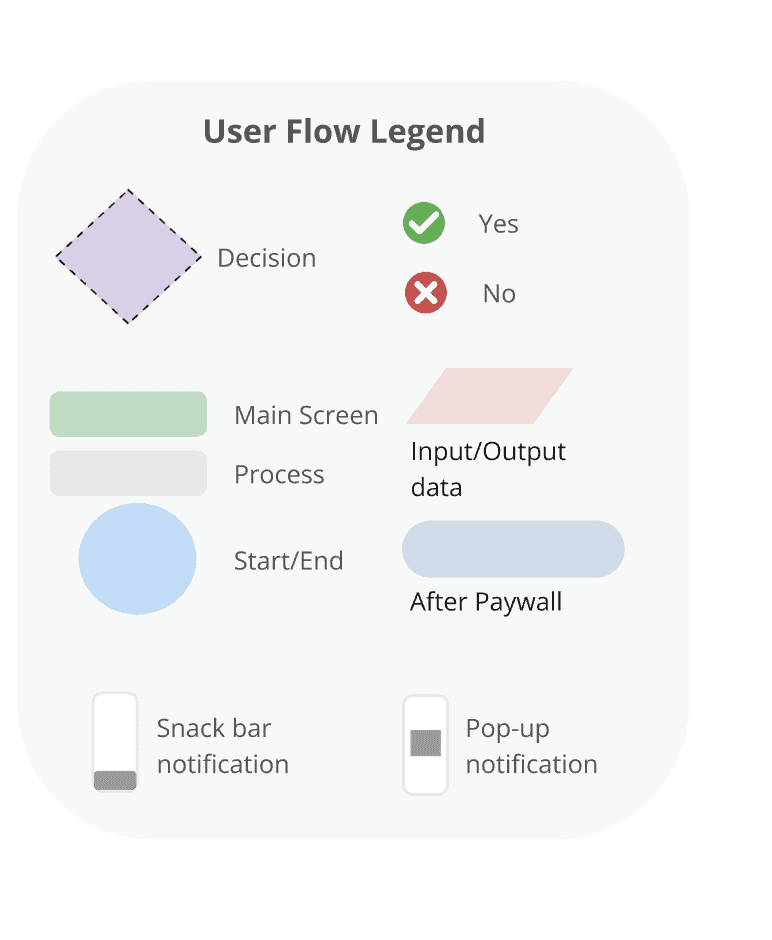
Onboarding
Homepage
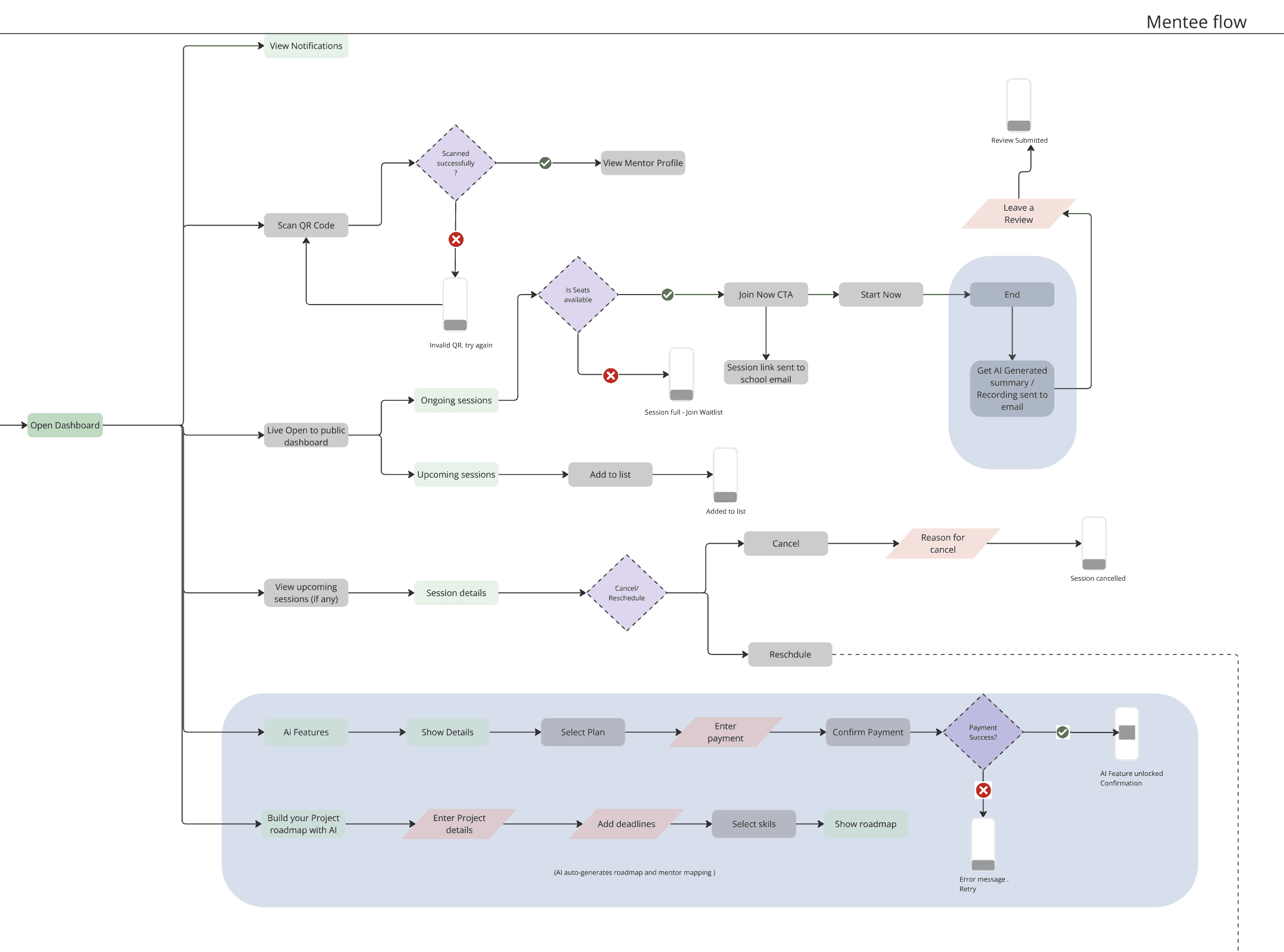
Wireframes
The wireframes translate the core product requirements into a clear structural blueprint, establishing how students will navigate the platform and interact with key features.
Styleguide
Colors
Logo
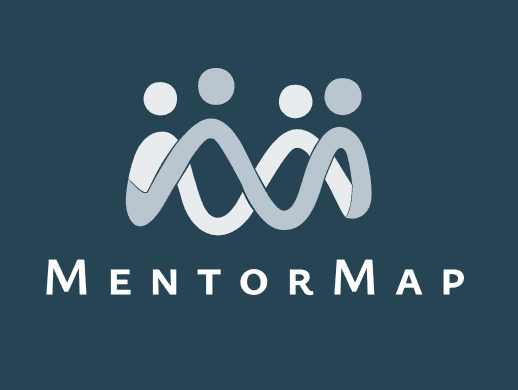
Typography style: ROBOTO
Display
LargeTitle1
LargeTitle2
Title1
Title2
Title3
Headline
Body
Body bold
Subhead
Footnote
Footnote bold
Caption1
Caption2
Bottom Navigation
Home
Search
Messages
Scanner
Home
Search
Messages
Scanner
Home
Search
Messages
Scanner
Home
Search
Messages
Scanner
Button
Label
Label
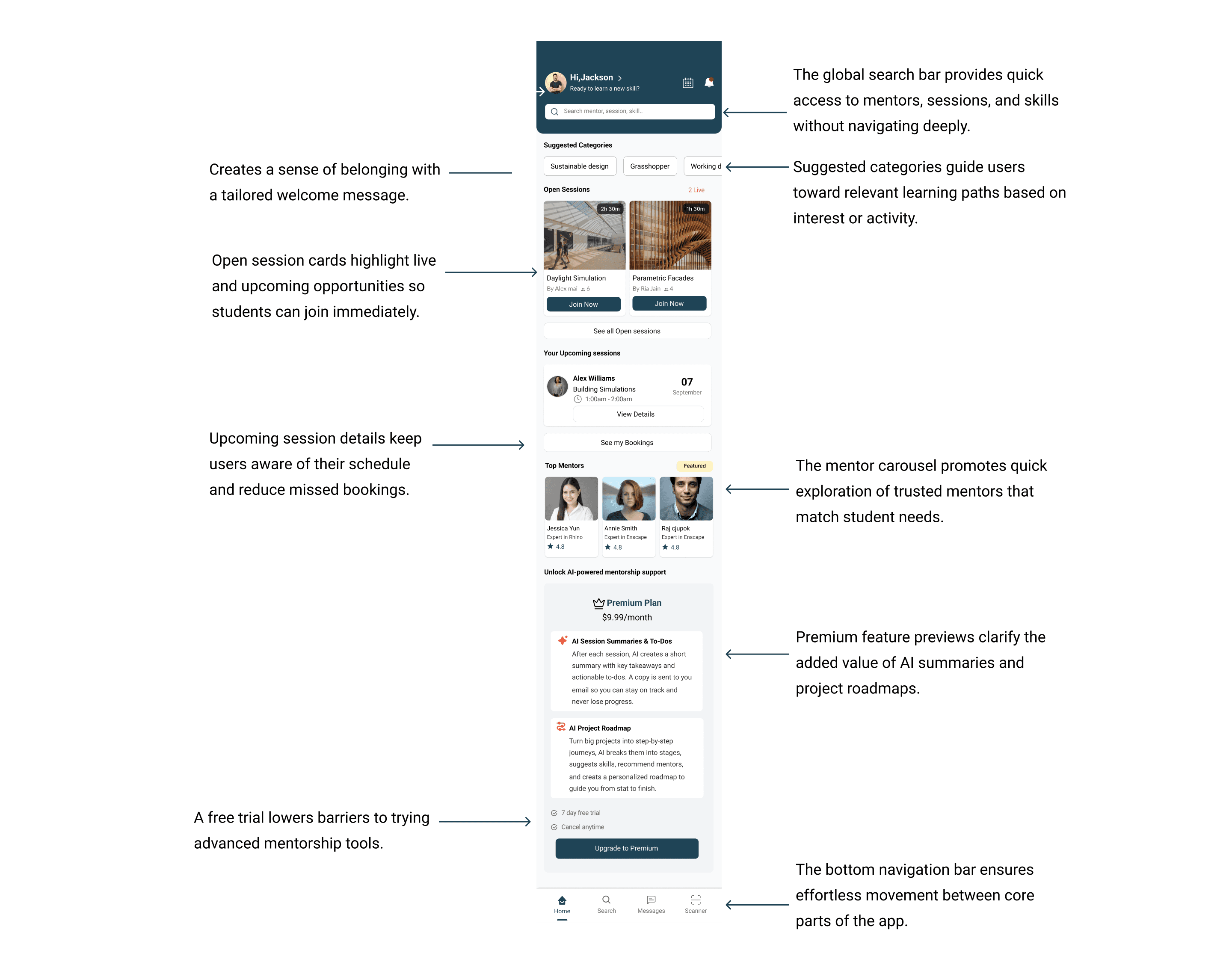
Annotated Mockups
Conducting Usability Testing
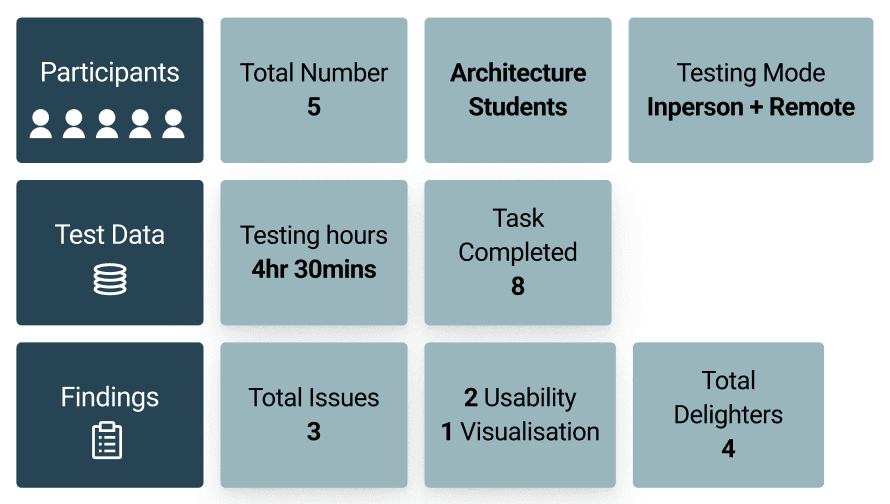
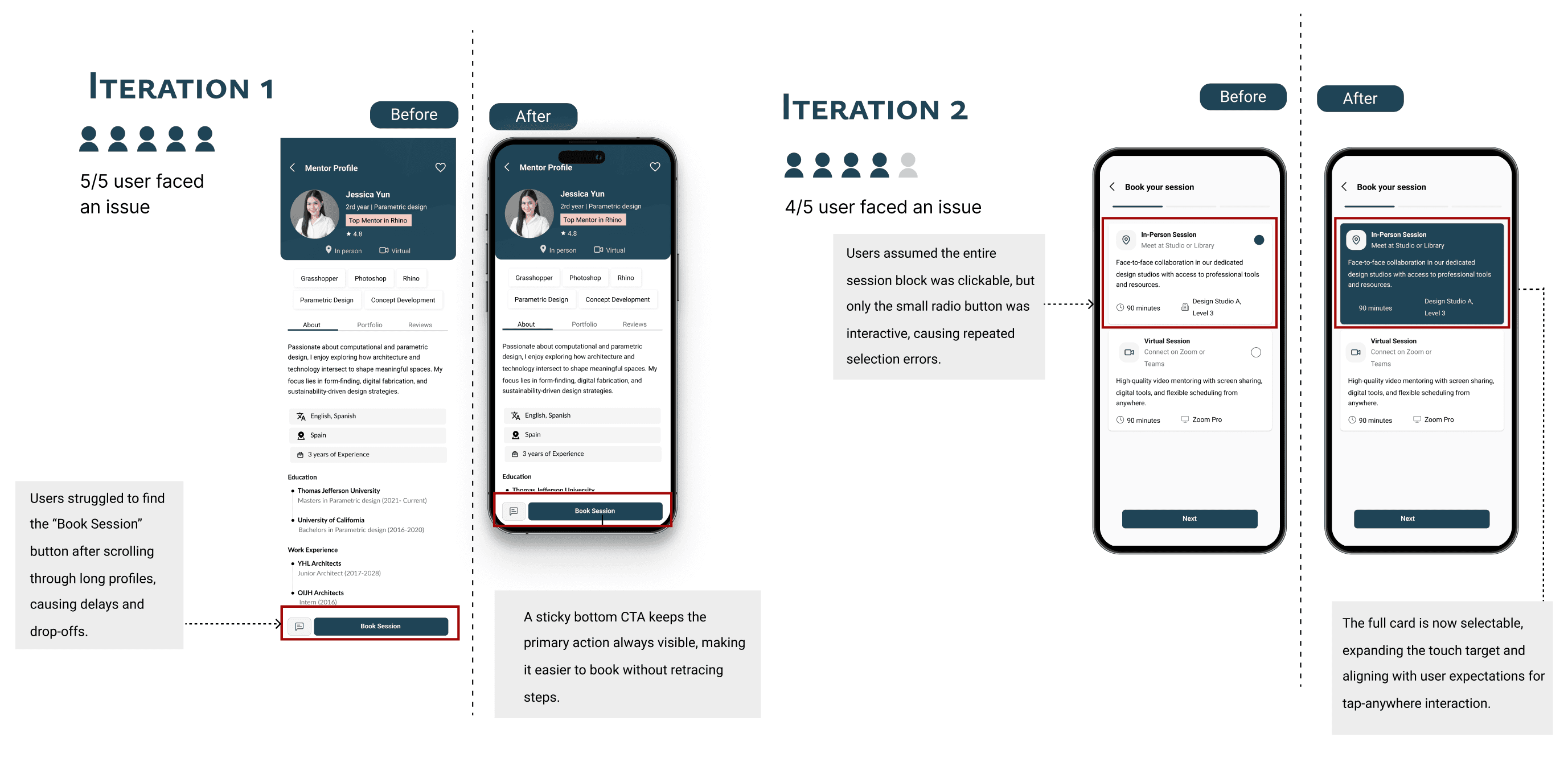
The concept was validated through 5 usability tests across multiple iterations.
Testing helped refine:
Navigation clarity
Skill vs. mentor prioritization
Entry points for first-time users
Confidence in taking action without guidance
Each round directly informed design changes.
Lets Talk Business
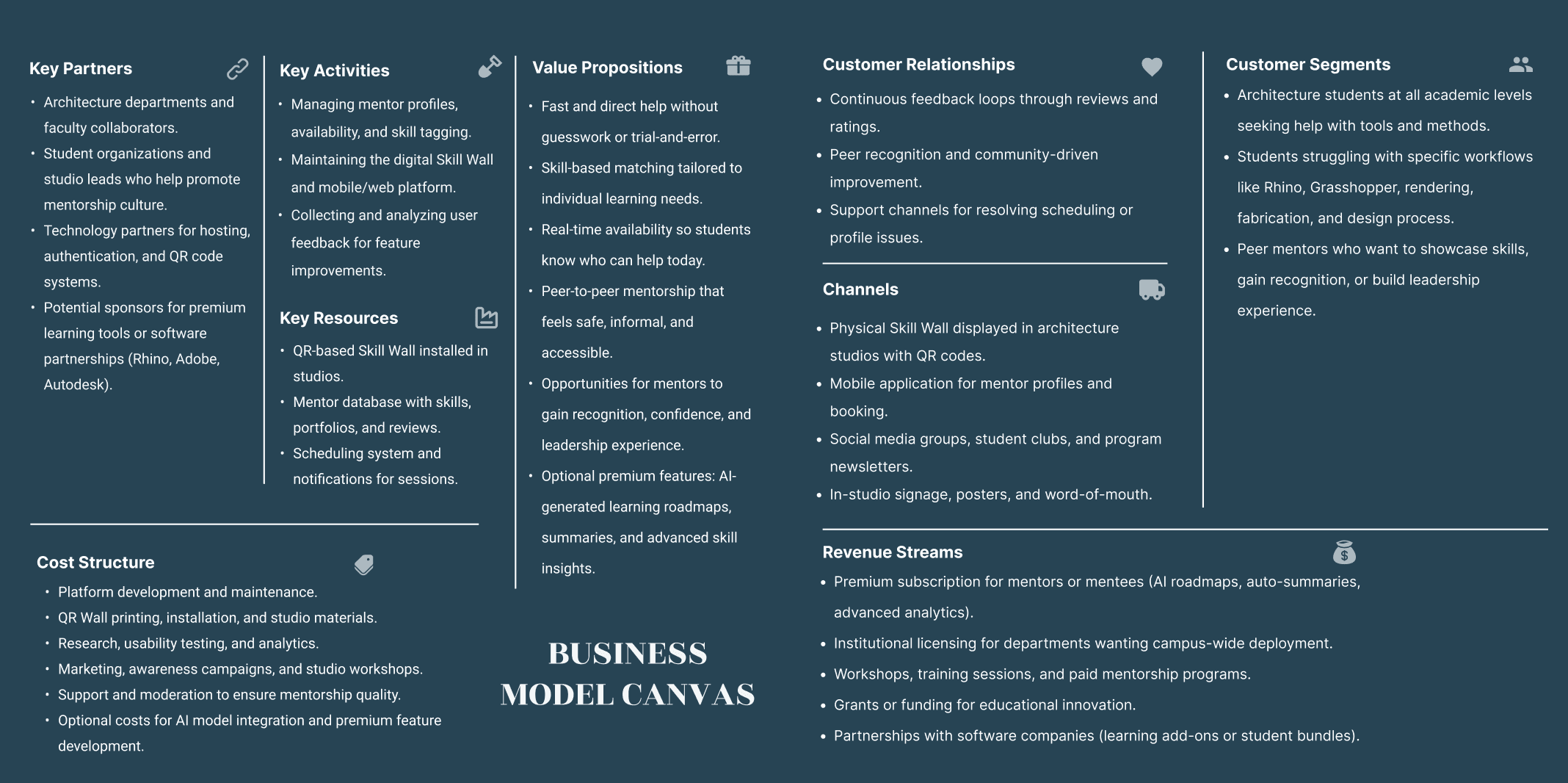
MentorMap was designed as a scalable product concept, with success measured through reduced time-to-help, increased mentorship participation, and earlier skill-specific interventions. Pretotyping helped validate real student intent before proposing a full platform. While built for architecture education, the model is adaptable to any skill-based learning or mentorship ecosystem.
Revenue Streams
Premium AI Features
Community Workshops & Events
Partnerships with software
Success Metrics
Success metrics help quantify the real impact of the mentorship system and determine whether it meaningfully improves students’ learning experiences. By focusing on measurable changes in behavior, efficiency, and engagement, these indicators ensure that the solution is not just desirable but effective in addressing the core challenges uncovered during research. Each metric highlights a specific outcome that reflects student progress, reduced friction, or increased access to support.
Reduced Time Spent Searching for Help
Students find the right support faster as the help-seeking process becomes more direct and less dependent on trial-and-error.
30%
Overall Skill Improvement Timeline
Students learn complex skills (Rhino workflows, rendering, fabrication steps) in significantly less time after using the system.
40%
Student Adoption & Engagement
At least 70% of architecture students actively browse mentor profiles or use the Skill Wall in the first semester.
50%
Business Model Canvas
Validating the Product
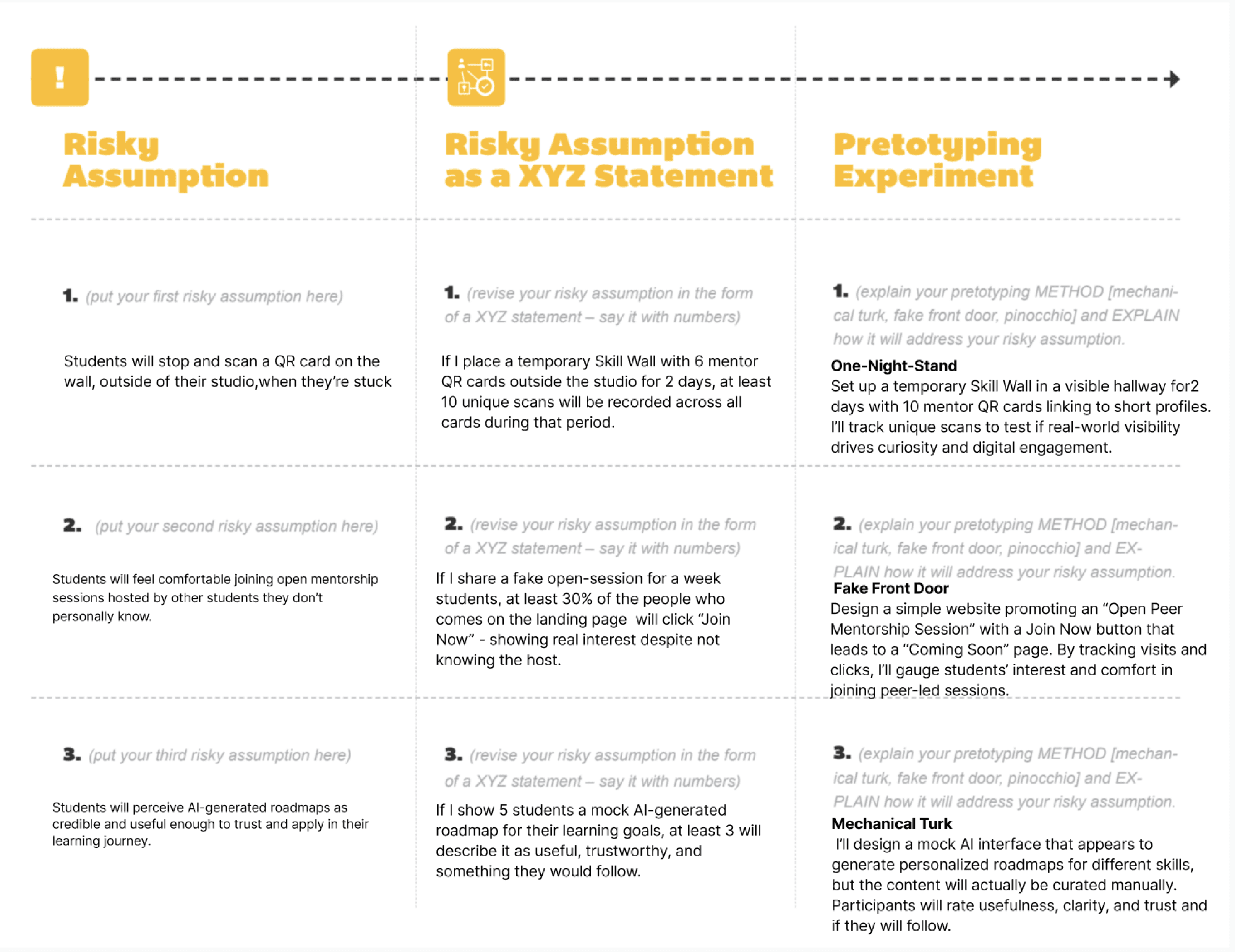
Market validation tests whether the core idea resonates with students before any full solution is built. Using pretotyping experiments, early signals of interest and behavior were measured to validate the most uncertain assumptions and determine if the concept is truly worth pursuing.
Risky Assumptions
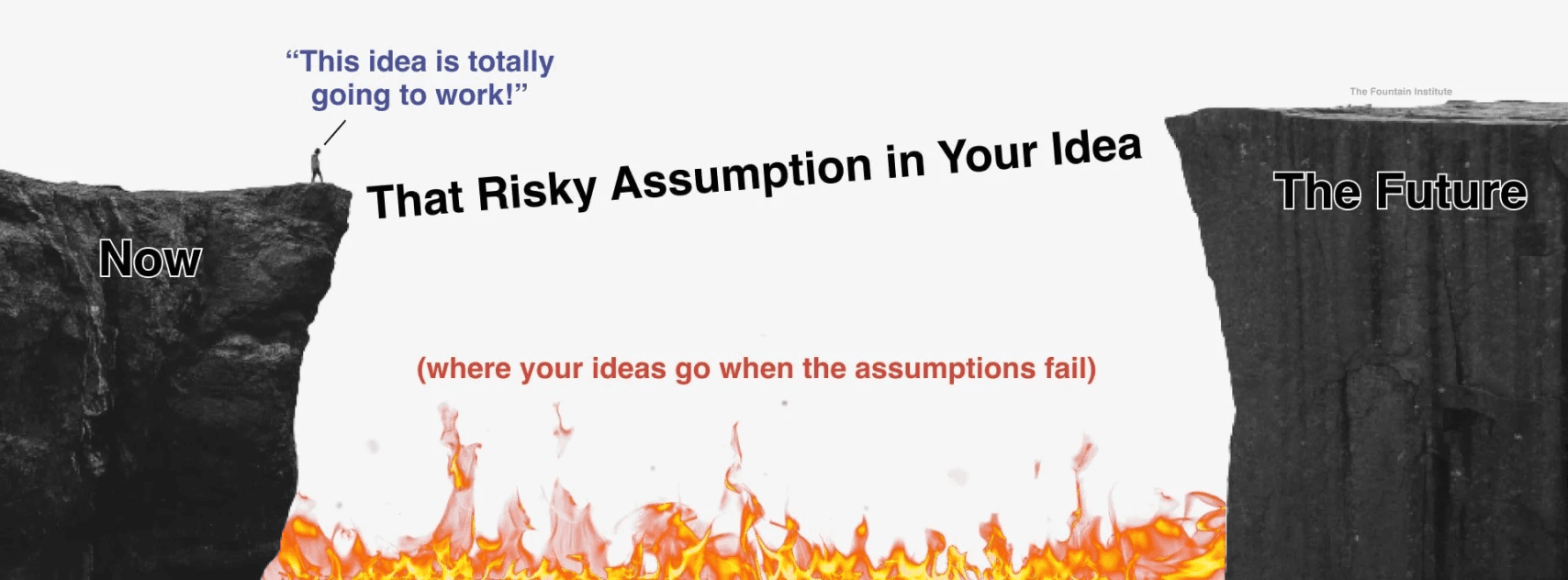
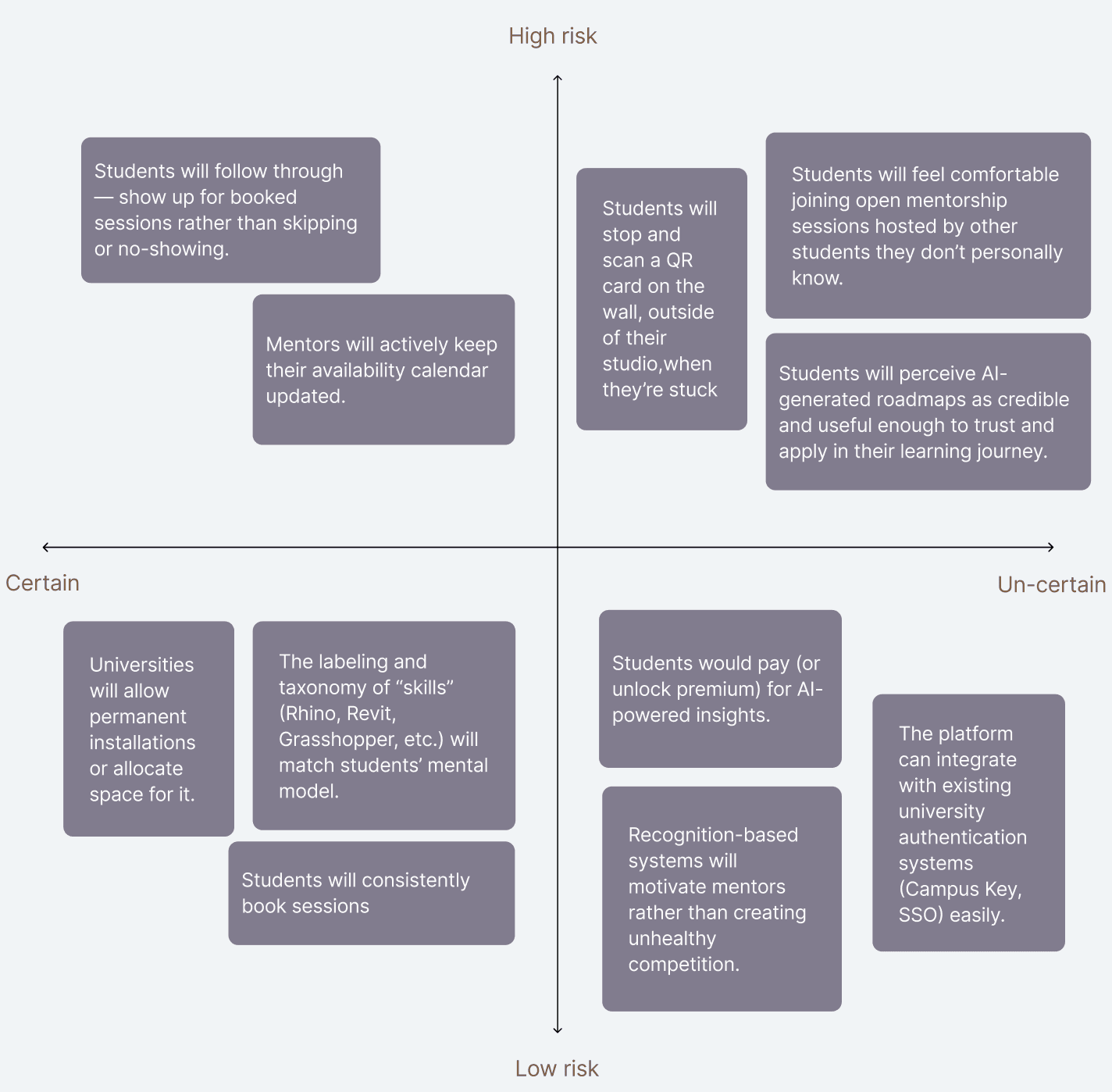
Every solution carries a set of assumptions—beliefs about how people will behave, what they will value, and how the system will fit into their everyday routines. Risky assumptions are the ones that matter most because they have not been proven yet and could impact the success of the project if they turn out to be wrong. In this mentorship system, several assumptions sit in this category: that students will adopt a new help-seeking pathway, that mentors will consistently update their availability, and that the combined physical–digital model will become part of the studio culture rather than an optional add-on.
Pretotyping Results & Learnings
One-Night-Stand Test — Passed
The physical Skill Wall consistently sparked real conversations in studio spaces, confirming that visibility + proximity lowers hesitation and drives mentorship interactions.
Fake Front Door Test — Passed
High click-through and sign-up rates validated strong interest in public mentorship sessions and skill-based discovery.
What we learned: Students are willing to engage when expectations are clear and value is immediate.
Mechanical Turk (AI Guidance) —Failed
Students were hesitant to rely on AI-generated guidance without context or control.
What we learned: AI must act as assistive, not authoritative—users expect customization, transparency, and human validation.
Conclusion and learnings
Students are not struggling due to lack of effort, but due to low visibility into who can help, with what, and when. The problem is structural, not motivational.
Many students hesitate to ask for help because mentorship feels hierarchical and intimidating, especially when roles and expectations are unclear.
Peer mentorship is underutilized, not because of lack of skill, but because expertise is invisible within the studio environment.
AI-supported guidance is valuable only when it augments human support, offers customization, and preserves user control.
The most impactful mentorship experiences reduce anxiety, provide direction, and help students feel confident taking the next step, even without a formal mentor.